


By Elizabeth Williams-Drueding, DO | Published July 17, 2026
Active Health DPC | King of Prussia, PA
Many people check the weather before heading outside, but fewer pay attention to the Air Quality Index (AQI). On days when air pollution levels are elevated, the air you breathe can affect your health, even if you are otherwise healthy.
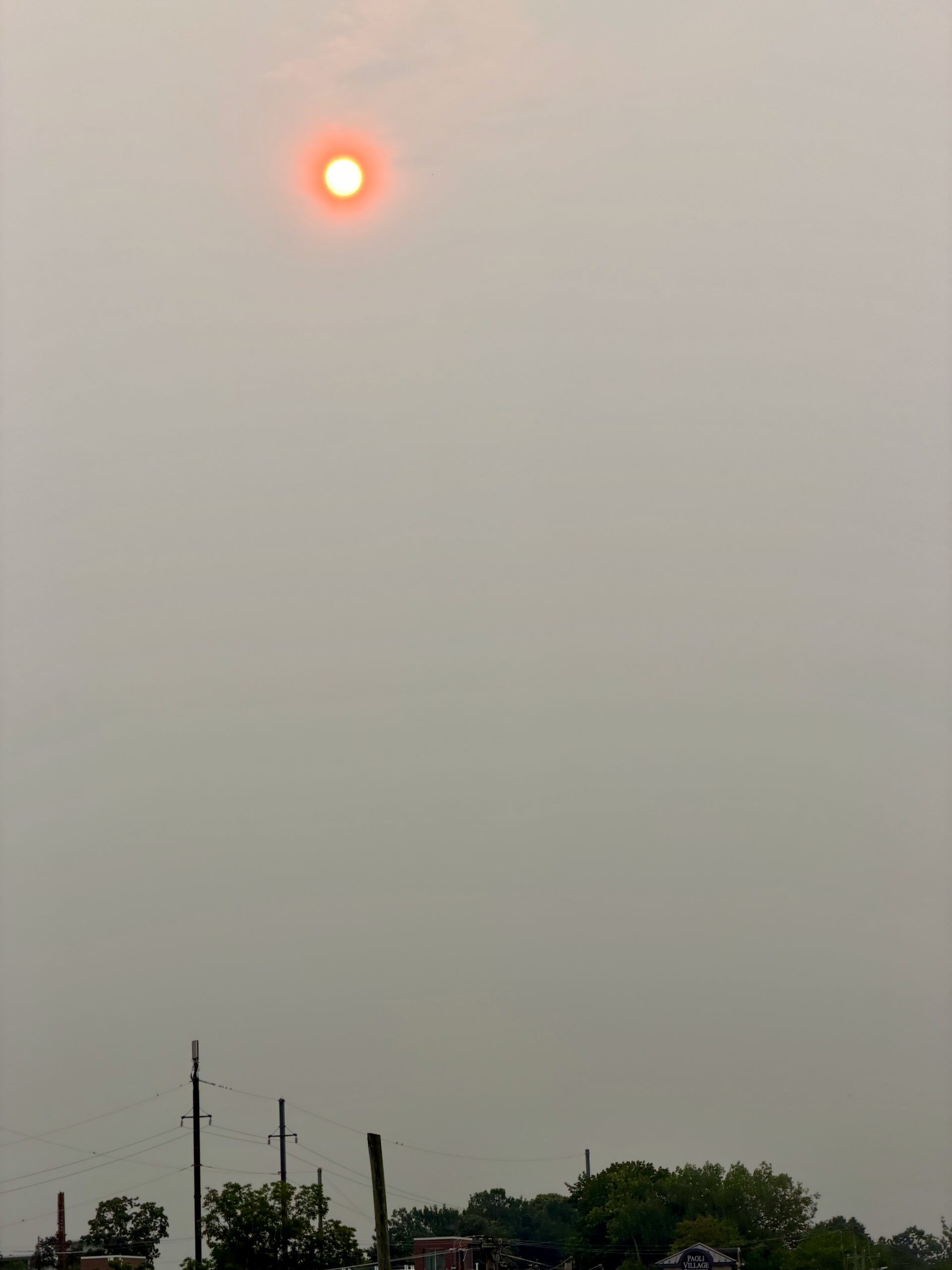
Whether poor air quality is caused by wildfire smoke, ozone, vehicle pollution, or fine particulate matter, taking a few simple precautions can help reduce your exposure and protect your lungs.
What Is the Air Quality Index (AQI)?
The Air Quality Index (AQI) is a tool used by the Environmental Protection Agency (EPA) to report how clean or polluted the air is.
General guidelines include:
- 0 to 50: Good air quality
- 51 to 100: Moderate
- 101 to 150: Unhealthy for sensitive groups
- 151 to 200: Unhealthy
- 201+: Very unhealthy to hazardous
Even on moderate days, people with asthma, COPD, heart disease, or other chronic medical conditions may experience symptoms.
Why Poor Air Quality Matters
Air pollution can irritate the eyes, nose, and throat while also affecting the lungs and cardiovascular system.
Possible symptoms include:
- Cough
- Wheezing
- Shortness of breath
- Chest tightness
- Sore throat
- Burning eyes
- Fatigue
- Headache
Repeated or prolonged exposure may increase the risk of asthma attacks, respiratory infections, heart attacks, strokes, and worsening of chronic lung disease.
Tips to Minimize Your Exposure
Check the AQI Before Spending Time Outside
Before exercising, working outdoors, or spending extended time outside, check your local air quality using the EPA AirNow website or your favorite weather app.
If the AQI is over 100, consider limiting prolonged outdoor activities, especially strenuous exercise.
Exercise Indoors When Air Quality Is Poor
Running, biking, and other vigorous activities increase the amount of polluted air that reaches your lungs.
On poor air quality days, consider:
- Walking indoors
- Using a treadmill
- Visiting a gym
- Trying an indoor yoga or strength workout
Keep Indoor Air Clean
Close windows and doors when outdoor air quality is poor.
If available:
- Run your home’s air conditioning on recirculate.
- Replace HVAC filters as recommended.
- Use a portable HEPA air purifier in frequently used rooms.
Avoid adding additional indoor pollutants by limiting:
- Burning candles
- Wood-burning fireplaces
- Smoking or vaping indoors
- Excessive use of aerosol sprays
Consider Wearing a Well-Fitting N95 Mask
If you must spend extended time outdoors during wildfire smoke or severe air pollution events, a properly fitted N95 respirator can help filter fine particulate matter.
Cloth masks and standard surgical masks do not provide the same level of protection against smoke particles.
Stay Hydrated
Drinking adequate water helps keep the airways moist and may reduce irritation caused by dry, smoky air.
Extra Precautions for People With Lung Disease
Individuals with asthma, COPD, emphysema, pulmonary fibrosis, bronchiectasis, or other chronic lung diseases are especially vulnerable during poor air quality events.
If you have a chronic lung condition:
- Monitor your symptoms closely.
- Continue taking your daily controller medications as prescribed.
- Keep your rescue inhaler readily available.
- Avoid strenuous outdoor activity when the AQI exceeds 100.
- Follow your asthma or COPD action plan if you have one.
- Stay indoors as much as practical on unhealthy air quality days.
If you use home oxygen, continue using it as prescribed. Oxygen improves oxygen levels but does not filter pollutants from the air, so minimizing exposure remains important.
People at Higher Risk
In addition to those with chronic lung disease, extra precautions should be taken by:
- Adults over age 65
- Young children
- Pregnant individuals
- People with heart disease
- Individuals recovering from a respiratory infection
- Anyone who works outdoors
When Should You Seek Medical Evaluation?
Seek prompt medical attention if you develop:
- Increasing shortness of breath
- Wheezing that does not improve with your rescue inhaler
- Chest pain or pressure
- Difficulty speaking because of shortness of breath
- Bluish lips or fingertips
- Confusion or severe dizziness
- Fainting
If you have asthma or COPD and your symptoms are worsening despite your usual medications, contact your healthcare provider promptly.
Call 911 immediately if you have severe difficulty breathing, chest pain, or signs of a medical emergency.
The Bottom Line
Poor air quality can affect anyone, but individuals with asthma, COPD, heart disease, and other chronic conditions are at the greatest risk. Paying attention to the AQI, limiting outdoor exposure during unhealthy days, and keeping indoor air as clean as possible can significantly reduce health risks.
If you have questions about managing asthma, COPD, or other chronic conditions during periods of poor air quality, we’re here to help.
At Active Health DPC, we believe preventive care includes helping you stay healthy before problems become emergencies. If you’re concerned about breathing symptoms or would like a personalized plan for managing your lung health, schedule an appointment with our team.
Medical Disclaimer: This article is for general educational and informational purposes only and is not a substitute for individualized medical advice, diagnosis, or treatment. Reading this content does not establish a physician patient relationship with Active Health DPC or its physicians. Always consult a qualified healthcare professional regarding your specific health needs. If you believe you are experiencing a medical emergency, call 911 or seek immediate medical care.
